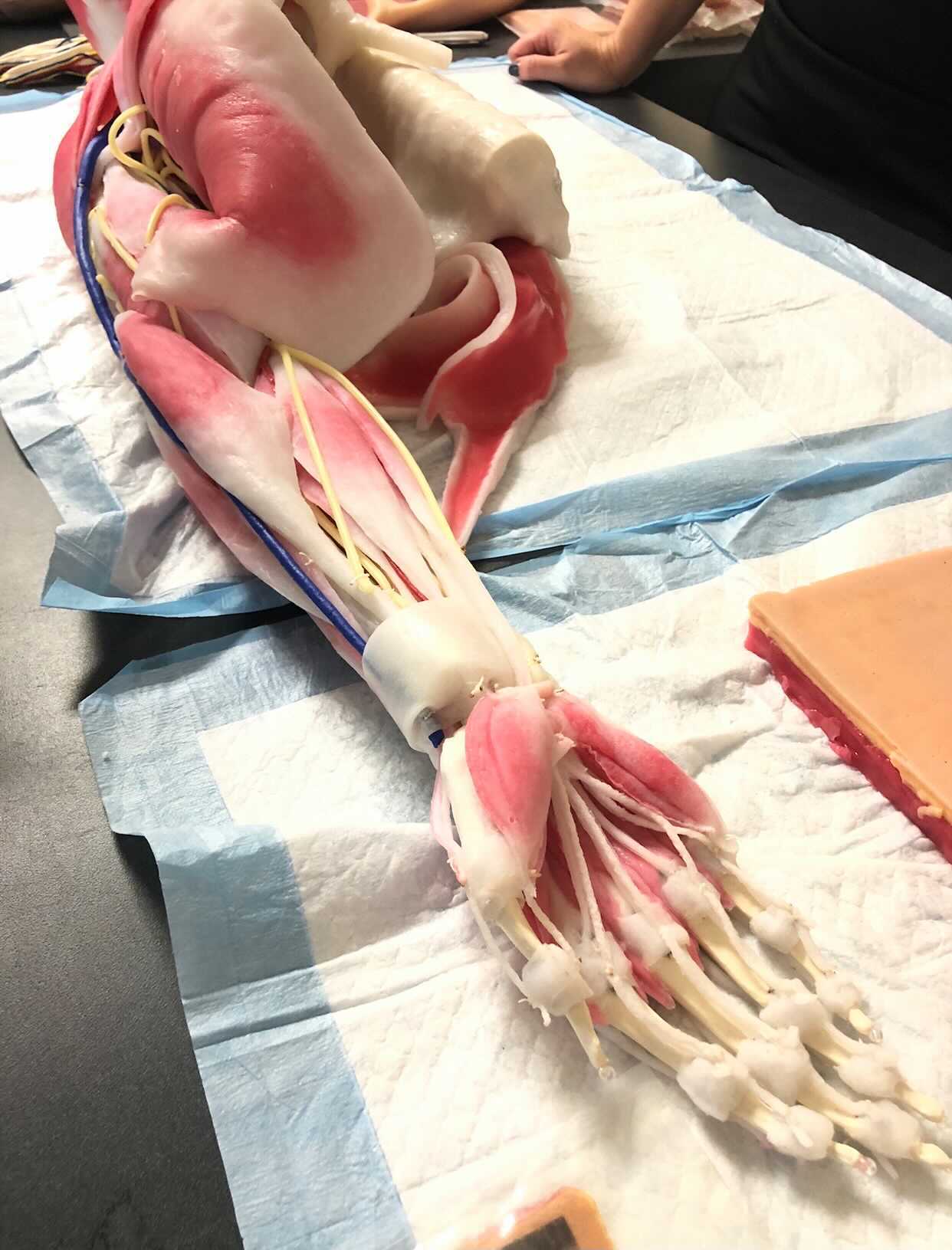
Looking Back There’s been lots of innovation in medical training models for trauma. At some point in everyone’s career, they remember using Rescue Randy, 200 pounds of deadweight with arms and legs. Training evolutions with Randy usually devolve into some level of physical fitness test, which is essentially patient movement training. Important, yes, but has […]
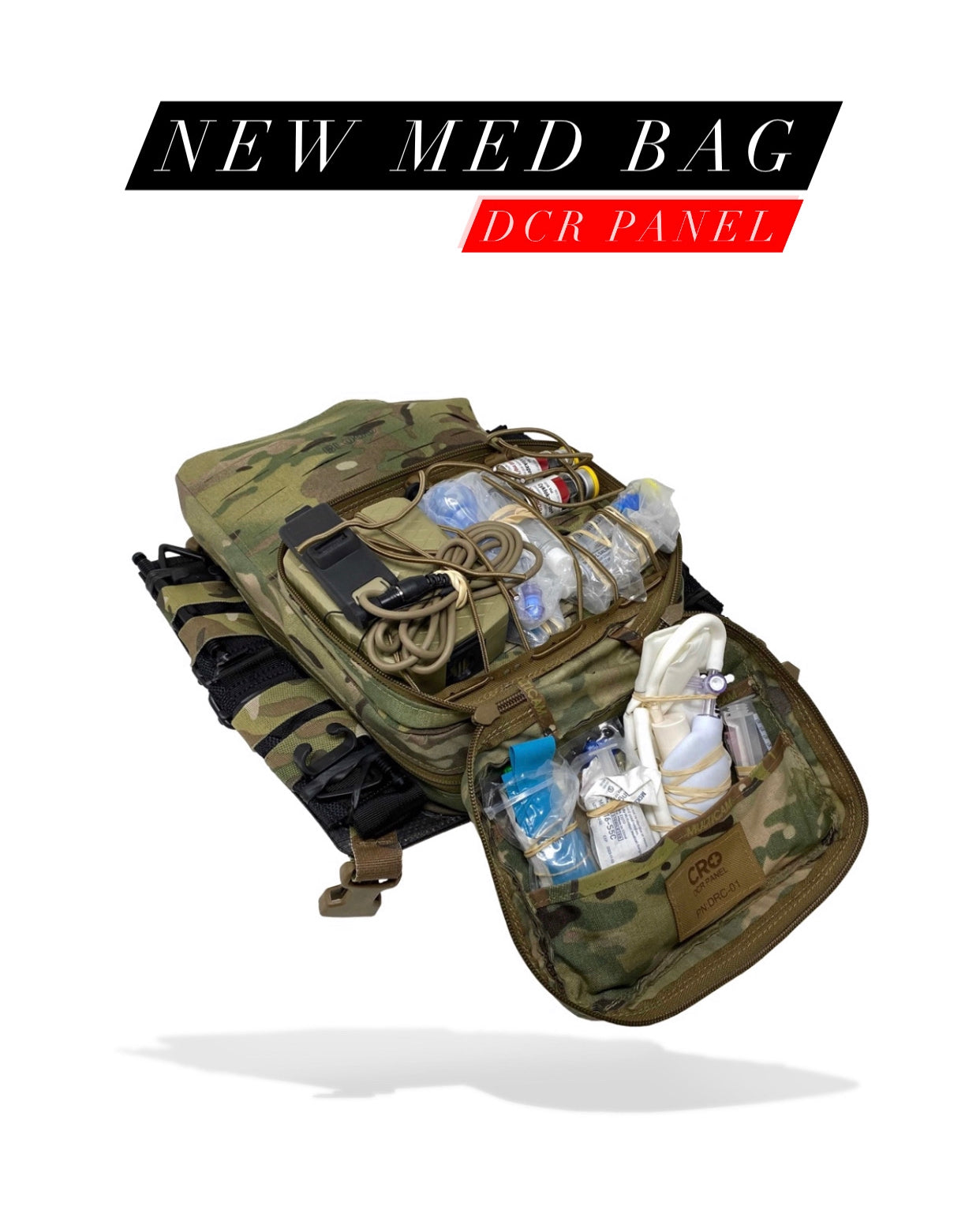
“We started with the JPC carbon fiber back panel, then we measured and got the cubic volume from resuscitative equipment that needed to fit inside. Our driving principle was the external access to blood because we’re going to use the SOP for resuscitation with blood: 1. bilateral below the knee AMPS 2. unilateral above the knee amputations 3. Any bleed in the “box” with MOI and S/S of hypovolemic shock.”
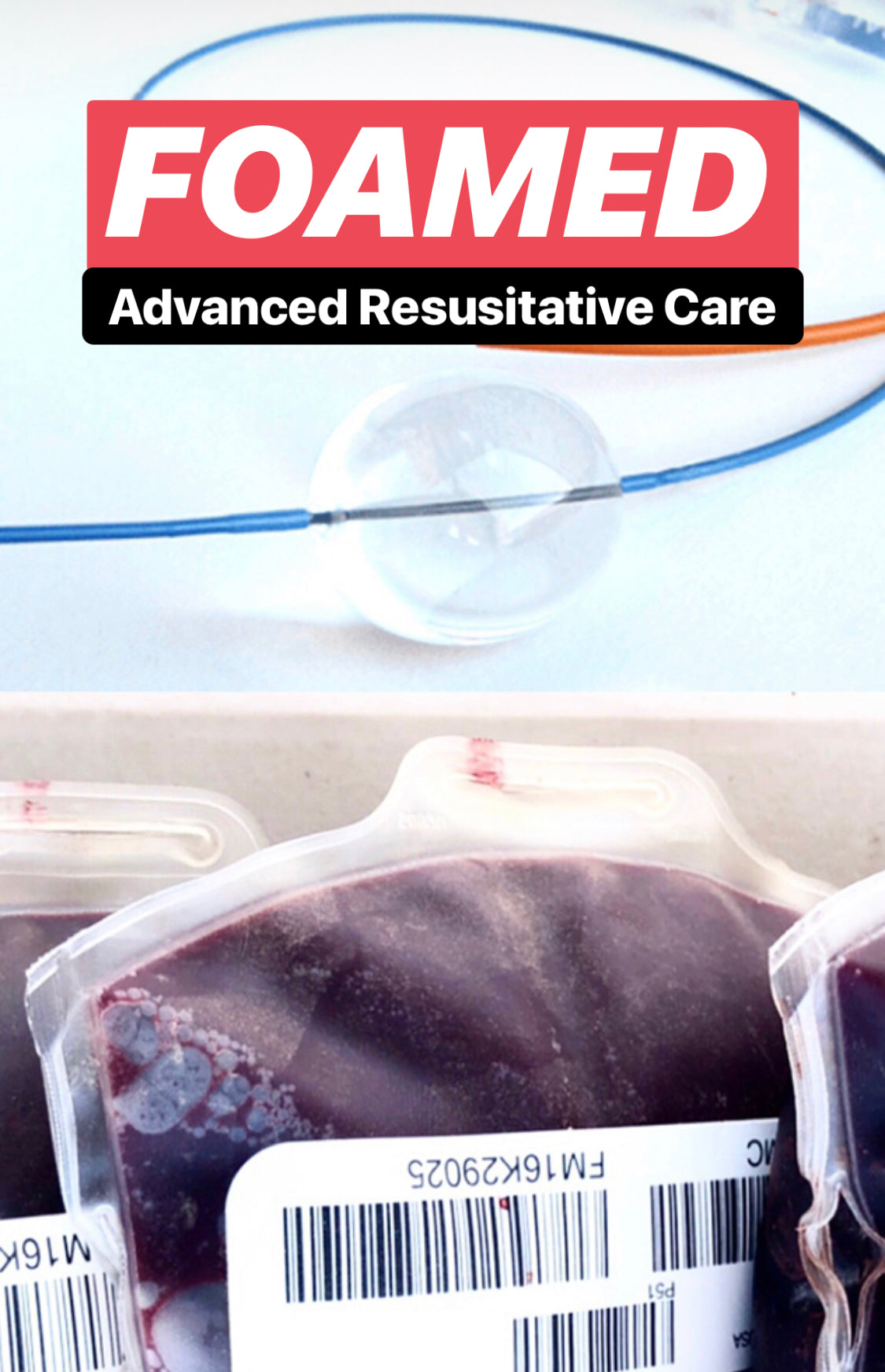
The Advanced Resuscitative Care (ARC) CPG is the most advanced TCCC update yet. For those who have been paying attention, it marks a milestone in DoD medicine, by allowing advanced providers with a mastery of the basics to reach into the remaining cause of preventable death: Noncompressible Torso Hemorrhage, or NCTH. According to the […]

1. You need authorization. Before starting down the road of doing a field blood transfusion you have to have authorization from your medical director and higher command. This battle can be tricky, especially on the conventional side, or places where the good news hasn’t spread yet (Whole Blood is the resuscitative fluid of choice, and […]

Highlights from the Damage Control Resuscitation in Prolonged Field Care Clinical Practice Guidelines.

REBOA Background: The concept of aortic balloon occlusion for hemorrhage control is not new. One case series published in 1954 described the use of REBOA in combat. Vascular surgeons have been using this technique for years to sustain patients with ruptured abdominal aortic aneurysms until they can reach the OR. Interest in REBOA for […]